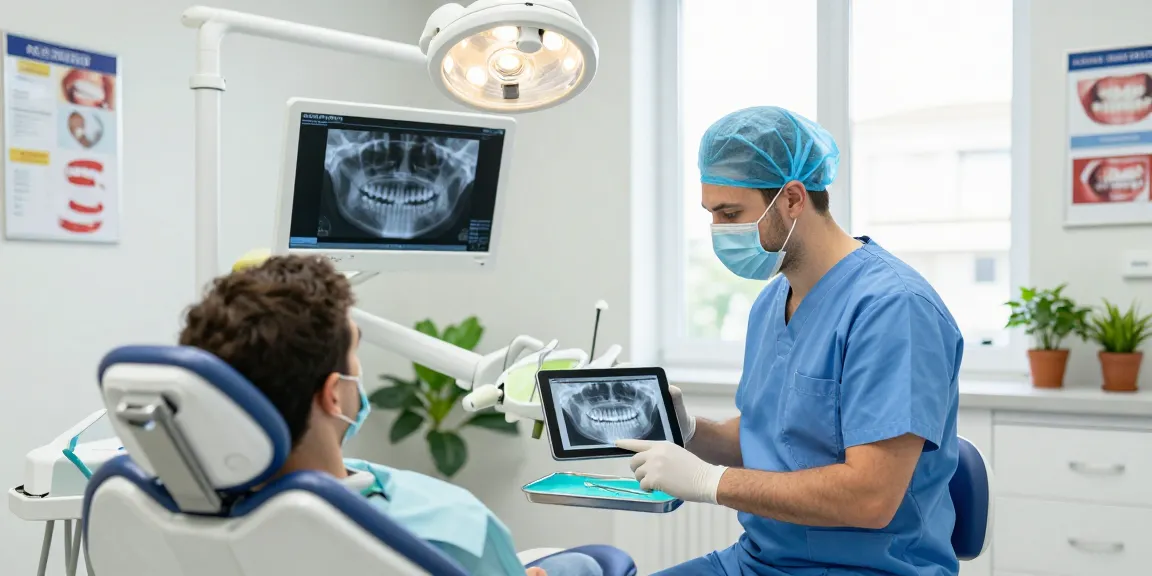
Understanding Dental Malpractice in Turkey
Dental malpractice is a pressing issue that many patients may face when seeking dental care. It encompasses a range of inadequate practices that can lead to patient harm, and understanding its nuances is crucial for anyone considering dental services in Turkey. As the healthcare landscape evolves, having awareness about the rights and the potential for dental malpractice becomes increasingly important. When exploring options, Dental Malpractice in Turkey provides comprehensive insights into this complex topic.
What Constitutes Dental Malpractice?
Dental malpractice occurs when a dental professional fails to provide the standard of care that is expected within the profession, resulting in harm to the patient. This can include various forms of negligence such as misdiagnosis, improper treatment techniques, or insufficient follow-ups. For a case to qualify as malpractice, it must typically meet three conditions:
- Negligence: The dentist's actions or omissions must fall below the accepted standard of care.
- Injury: The patient must have suffered harm that can be directly linked to the dentist's negligence.
- Damages: The patient must be able to demonstrate actual damages, such as physical pain, emotional distress, or financial loss.
Prevalence of Dental Malpractice Cases
The prevalence of dental malpractice cases can vary significantly by region and the specific practices involved. In Turkey, as dental tourism grows, more foreign patients are seeking treatment, which may lead to an increase in malpractice cases due to language barriers, varying standards of care, and lack of familiarity with local legal recourse. It is estimated that malpractice claims affect a notable percentage of dental patients, and as awareness increases, more individuals are beginning to come forward with their experiences. This highlights the importance of vigilance and understanding one's rights as a patient.
Legal Framework Surrounding Dental Practices
In Turkey, the legal framework governing dental practices is multifaceted, involving laws and regulations that protect patient rights. The Medical Malpractice Law, along with specific health regulations, outlines the responsibilities of dental practitioners and the rights of patients. Victims of dental malpractice can seek compensation through civil courts, which often requires substantial evidence of negligence and resulting damages. Legal assistance is advisable for those navigating this complex process, as the laws can be intricate and challenging to interpret without proper guidance.
Common Types of Dental Malpractice
Misdiagnosis or Delayed Diagnosis
One of the most common types of dental malpractice is misdiagnosis or delayed diagnosis. This can happen when a dentist fails to adequately diagnose a dental condition, such as periodontal disease or oral cancer, leading to delayed treatment and worsened health outcomes. Such oversights can have serious implications for the patient's health and well-being, making it critical for practitioners to conduct thorough examinations and follow established diagnostic protocols.
Inadequate Surgical Procedures
Inadequate surgical procedures are another significant aspect of dental malpractice. This might include poor execution of surgical techniques, improper sterilization of instruments, or failure to monitor a patient's vital signs during a procedure. Such errors can result in complications, including infections and prolonged recovery times. Thus, it is crucial for dental professionals to adhere strictly to surgical best practices and to provide patients with comprehensive pre- and post-operative care.
Failure to Obtain Informed Consent
Failure to obtain informed consent is a critical aspect of patient rights and dental practice. Dentists are required to explain the risks, benefits, and alternatives to proposed treatments, allowing patients to make informed decisions about their care. If a patient is not fully informed and suffers adverse effects as a result of a procedure, they may have grounds for a malpractice claim. This emphasizes the importance of communication and transparency in the dentist-patient relationship.
Preventing Dental Malpractice
Choosing the Right Dentist
Choosing the right dentist is perhaps the most pivotal step in preventing dental malpractice. Patients should conduct thorough research, seek referrals, and read reviews to select a dentist who is well-regarded in their field. Credentials, experience, and a dentist’s approach to patient care can significantly influence outcomes. Understanding the professional’s qualifications can ensure that patients receive the standard of care they deserve and reduce the likelihood of malpractice.
Importance of Second Opinions
Seeking a second opinion can be invaluable, particularly for major dental procedures. Patients should not hesitate to consult with another dental professional if they have doubts about a proposed treatment plan. A second opinion can either reaffirm the dentist's recommendations or provide alternative options, helping to safeguard against potential malpractice.
Understanding Your Rights as a Patient
Patients should take the time to understand their rights within the healthcare system. This includes being informed about the standard practices in dental care, the right to receive clear and honest information regarding treatments, and the right to refuse or seek alternative treatments. Empowering oneself with knowledge can significantly reduce the risks associated with dental malpractice.
Legal Recourse for Victims of Dental Malpractice
Steps to Take If You Suspect Malpractice
If a patient suspects dental malpractice, there are specific steps they should take to protect their rights. These include documenting all interactions with the dental professional, seeking a second opinion, and consulting with a legal expert specialized in healthcare law. Early steps can be crucial in building a strong case if they decide to pursue legal action.
Gathering Evidence and Documentation
Gathering comprehensive evidence is essential for establishing a case of dental malpractice. This includes retaining copies of medical records, treatment plans, photographs of injuries, and any correspondence with the dentist. Strong documentation can significantly bolster a claim and assist legal professionals in navigating the complexities of the case.
Consulting with Legal Professionals
Engaging a legal professional who specializes in dental malpractice is a critical step for victims. An experienced lawyer can provide invaluable assistance in assessing the validity of the claim, guiding patients through the legal process, and ensuring that they receive fair compensation for their injuries. The complexities of malpractice law necessitate professional guidance to secure just outcomes.
The Future of Dental Practices in Turkey by 2026
Emerging Trends in Dental Care
The landscape of dental care in Turkey is expected to change significantly by 2026, with emerging trends focused on patient-centered practices and enhanced safety protocols. As patients become more informed, there will likely be a push for transparency and quality assurance in dental services. Additionally, the integration of patient feedback into practice improvement can help mitigate risks associated with malpractice.
Technological Advances and Patient Safety
Technological advancements will also play a crucial role in enhancing patient safety and reducing dental malpractice cases. Innovations in diagnostics, treatment planning, and patient monitoring are expected to improve outcomes and minimize human error. As technology evolves, dental practitioners will have better tools at their disposal to deliver superior care, thus fostering a safer environment for patients.
Expected Changes in Legislation
Legal frameworks surrounding dental malpractice are anticipated to undergo significant changes by 2026. As awareness of patient rights and safety grows, legislation may evolve to hold dental practitioners more accountable for their actions. This could include stricter regulations on advertising, clearer guidelines on informed consent, and increased transparency in reporting malpractice claims.
What should I do if I suspect dental malpractice?
If you suspect dental malpractice, it is essential to document your experiences, seek a second opinion, and consult a legal professional experienced in dental malpractice cases. This proactive approach can help safeguard your rights and ensure you receive the necessary support.
How can I protect myself from dental malpractice?
To protect yourself from dental malpractice, choose your dentist carefully, seek second opinions, and advocate for your rights as a patient. Building a strong knowledge base about dental procedures and your personal health can empower you to make informed decisions.
What are the common signs of dental malpractice?
Common signs of dental malpractice may include prolonged pain or discomfort following treatment, visible physical harm, lack of proper communication from the dentist, or unexpected complications arising from procedures. Recognizing these signs early can prompt necessary action.
How do I find a reputable dentist in Turkey?
Finding a reputable dentist in Turkey involves researching credentials, reading patient reviews, and seeking recommendations from trusted sources. It is also advisable to check if the dentist is a member of professional associations, which can be indicative of their commitment to maintaining quality standards in dental care.
What legal options do I have if I’m a victim of dental malpractice?
If you fall victim to dental malpractice, you can pursue legal action to seek compensation for your damages. This typically involves filing a claim in civil court and may require substantial evidence to prove negligence. Consulting with a legal professional is crucial in navigating this process effectively.